BDH Consultants — Beverage CommercializationDOC. 001 · REV. AIssued 07 / 2026
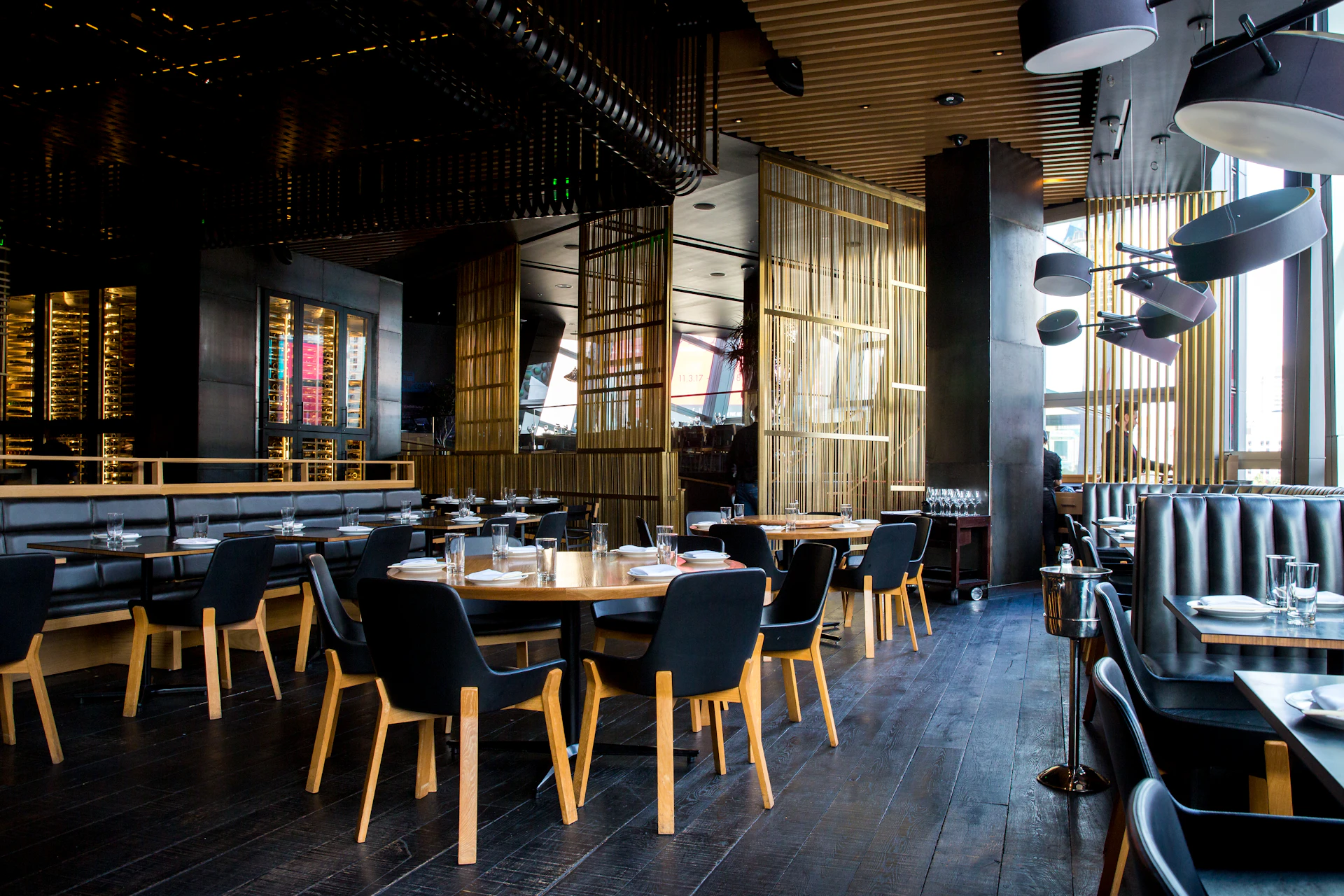
Upscale restaurant dining room with a lit wine wall and set tables
Beverage Commercialization · Est. By Two Operators

Concept To Profitable Production

BDH Consultants is a beverage commercialization firm. We take drinks from concept to profitable production, formulation, manufacturing, co-packers, sourcing, and margins, backed by 50+ years of combined beverage and hospitality expertise.

  • — 50+ Combined Years In Beverage
  • — 9 Yrs Running Product Development
  • — Built & Exited An Eight-Figure Beverage Business
  • — Two Published Industry Books
§ 1 · What We Solve

You're Probably Here Because…

You're Launching A Beverage Company.

And every co-packer, flavor house, and forum gives you a different answer about what comes first.

Your Formulation Works In The Kitchen.

But you're not sure it survives production. Heat treatment, pH, shelf life, flavor drift, the bench and the line are different physics.

You Need A Co-Packer Who Will Perform.

Not the one with the best sales team. The one that hits spec, hits dates, and returns your calls.

Your Margins Don't Work At Scale.

Landed cost, MOQs, distributor math, slotting. Somewhere in that stack, your profit is leaking.

Your Supply Chain Is Built On Hope.

One supplier, no backup, and "in stock" that quietly means eight weeks.

You're Diligencing A Beverage Deal.

The data room can't tell you whether the formulation scales or the co-packer relationship is fragile. We can.

§ 2 · The Problem, Named

The Commercialization Gap

/ n. / — the expensive distance between a formulation that tastes good and a product that survives production, margin math, and shelf life.

Spec Excerpt — RTD Black Tea, Hot Fill
pH, packed3.90 ± 0.10
Brix9.2°
Fill Temp88 °C Min
Cap Torque8–12 In·lb
Haze @ 6 Mo< 40 NTU

If your co-packer agreement doesn't reference a document like this one, you don't have a product. You have a hope.

Illustrative spec — for demonstration.

Most beverages don't fail in the cup. They fail in the gap between the cup and the shelf, in formulations that can't survive a hot-fill line, co-packers chosen from a Google search, supply chains with no second source, and unit economics that were never going to work past the first purchase order.

The gap is invisible from the outside. Every failure point looks obvious in hindsight and almost none of them are visible in advance, unless you've already crossed it. We have. Many times. Closing that gap is our entire business.

The Twelve Deaths

The twelve ways beverages die between concept and shelf.

01

Bench-To-Line Drift

The formulation that tasted perfect at 1 liter breaks at 1,000 gallons.

02

Thermal Damage

Hot fill, tunnel, or retort chosen wrong, and the flavor cooks out.

03

Stability Failure

Separation, sediment, or browning that shows up in month three.

04

The Wrong Co-Packer

Chosen on price or a good sales call, not capability and fit.

05

MOQ Mismatch

Minimums that force you to buy a year of inventory to make one order.

06

Single-Source Supply

One ingredient, one supplier, one crop failure away from stockout.

07

Spec Ambiguity

No documented spec, so every production run is a new product.

08

Margin Fiction

Unit economics modeled without freight, slotting, spoilage, or distributor cuts.

09

Regulatory Surprise

Botanical and functional claims that don't survive a label review.

10

Packaging Betrayal

The bottle that looked great and fails on the line, in transit, or on shelf.

11

Scaling Too Early

National distribution chased before the product, ops, or cash could hold it.

12

Founder Exhaustion

Eighteen months of trial and error that judgment would have compressed to three.

§ 3 · A Note On AI

You've Already Asked AI. Good. So Have We.

AI is a fine research assistant. But it has never watched a formulation break on a hot-fill line, never negotiated a co-packer minimum, and doesn't know which supplier's "in stock" means eight weeks. What we sell is the part that can't be scraped: judgment, relationships, and pattern recognition from decades inside the industry. AI can tell you what a co-packer is. We can tell you which three will actually perform.

§ 4 · How We Work

The Bench-To-Shelf Method

Five stages, each with a defined deliverable, and the industry depth to make each step pay off.

Loose-leaf tea and a teapot representing early formulation and concept testing
Stage 01

Prove It.

Before a dollar goes to production: does the concept survive the math? A go/no-go read on formulation risk, manufacturing path, and unit economics.

Freshly poured juice representing beverage formulation
Stage 02

Formulate It.

A recipe that tastes right and survives production, shelf life, and a label review. We formulate for the process from day one.

Roasted coffee beans representing ingredient sourcing
Stage 03

Source It.

Ingredients and packaging from suppliers who perform, with a second source behind each so one crop or one plant never stops you.

Beverage production and bottling
Stage 04

Make It.

The right co-packer, the right contract, and a first run that goes to spec, with a documented spec that makes every run repeatable.

Craft cocktails representing a finished, scaled beverage brand
Stage 05

Scale It.

Operations, margins, and systems that hold when volume arrives, so growth is profitable instead of just bigger.

§ 5 · Principals

The People You Meet Do The Work.

A two-principal firm. Principals do the work. There is no B-team to hand you to.

Billy Dietz, Co-Founder · Product & Formulation

Billy Dietz

Co-Founder · Product & Formulation

A seasoned tea professional with 16+ years in the industry. At 17, Billy became the youngest Certified Tea Specialist in North America through the Specialty Tea Institute, then a certified STI instructor. He spent nine years in R&D at DAVIDsTEA and published "Spill the Tea: Unveiling the Mysteries of Blended, Flavored, and Herbal Teas" in 2023.

Don Ho, Co-Founder · Operations & Scale

Don Ho

Co-Founder · Operations & Scale

In food & beverage since 2013. Don traveled the US and Asia learning from tea farmers, then turned the hobby into an eight-figure foodservice and retail business, fourteen consecutive quarters of growth ($10M+ sales) and three additional stores before exiting in early 2020 to co-found BDH. He mentors entrepreneurs through EO and ACE Next Gen.

§ 6 · Work

Proof, With Numbers Attached.

Documented Build · First-Party

Zero To Eight Figures.

The Situation — A first-time operator entering a crowded specialty-beverage market.

What It Took — Formulation discipline, supplier relationships built farm-by-farm, an operating rhythm that survived rapid growth.

14Consecutive Quarters Of Growth · $10M+ Sales
Field Notes · Pattern Analysis

Why Most RTD Teas Die.

The Situation — A bench formulation meets an 88 °C hot-fill line. Jasmine and citrus top notes are the first casualties.

What It Took — Formulate for the process from day one, write spec tolerance into the agreement, and be present for the first run.

1stProduction Run In Spec — The Outcome We Engineer
§ 7 · The Library

We Publish What Others Protect.

Guide · 06 Chapters

Choosing A Co-Packer: The Complete Guide

Capability mapping, MOQ math, contract red flags, audit checklists, and the questions co-packers hope you won't ask.

Request Early Access →
Framework · Fig. 02

The Margin Stack

The seven layers of beverage unit economics, and the three where new brands quietly lose their profit.

Request Early Access →
Tool · Checklist

The Beverage Launch Checklist

Every gate from concept to first purchase order, in sequence, with the cost ranges nobody publishes.

Request Early Access →

Everything in the Library is free. The judgment to apply it is what we sell.

Also From BDH

Scope Of Services

Service 01

Bloom Growth Coaching

As a certified Bloom Growth coach, we implement the Bloom Growth Operating System (BGOS) with hospitality and F&B leadership teams, a communication and execution system that drives organizational excellence through prioritization and simplification.

Service 02

Beverage Consulting

Specialized consulting for beverage companies: product development, market analysis, operational efficiencies, and strategic growth planning, drawing on four decades of combined experience.

Service 03

Operations Optimization

Cost control strategies, operational audits that surface inefficiencies, and workflow/SOP optimization designed to increase profitability across beverage and hospitality.

§ 8 · The First Step

The Commercialization Review.

A fixed-price diagnostic of exactly where your beverage stands, formulation, manufacturing path, supply chain, and margin stack, with a written roadmap of what to do next. Useful on its own, whether or not you ever hire us again.

Format
Working Session + Written Findings
Timeline
Two Weeks
Pricing
Fixed. Quoted Before You Commit.
You Leave With
Findings Memo & Sequenced Roadmap

We are a two-principal firm and take a limited number of engagements each quarter.

Tell Us Where You Are
Stage
Category
Funding

A principal reads every one of these and replies within two business days. You won't be added to a list.

Good To Know

Frequently Asked Questions

What Does BDH Consultants Do?
We are a beverage commercialization firm. We take drinks from concept to profitable production, formulation, manufacturing, co-packer selection, sourcing, and margins, and we advise hospitality and F&B operators on strategy, operations, and leadership execution.
What Kinds Of Beverages Do You Work With?
Tea, coffee, wine, and RTD or functional drinks. Our team holds over fifty years of combined experience across the beverage industry and hospitality, serving clients from first-time founders to established brands.
What Is The Commercialization Gap?
The expensive distance between a formulation that tastes good and a product that survives production, margin math, and shelf life. Most beverages fail in that gap, not in the cup. Closing it is our entire business.
What Is The Bench-To-Shelf Method?
Our five-stage process: Prove it, Formulate it, Source it, Make it, Scale it. Each stage has a defined deliverable so you always know what you are getting and what comes next.
What Is The Commercialization Review?
A fixed-price, two-week diagnostic of where your beverage stands across formulation, manufacturing, supply chain, and margins, delivered as a written findings memo and sequenced roadmap. Useful on its own, whether or not you hire us again.
How Do I Start Working With BDH?
Start a Commercialization Review, or send a message through the contact form. A principal reads every inquiry and replies within two business days.